

What Is Included in a Professional Real Estate Photoshoot?
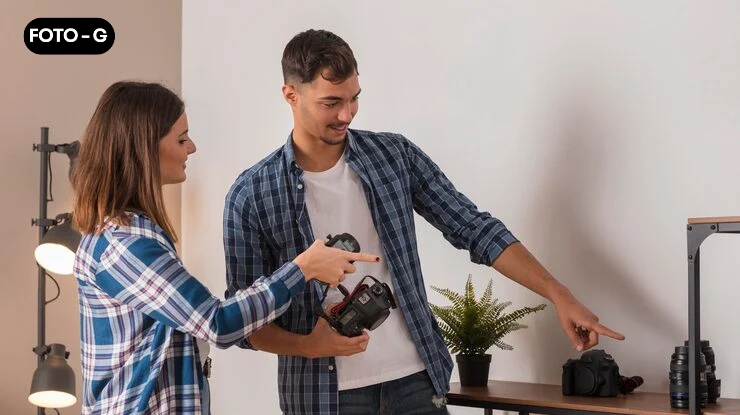
When a property is listed for sale or rent, the first impression usually happens online. Before visiting a house, apartment, villa, commercial property, or office space, potential buyers often look through its images to decide whether the property deserves their attention. This is why a professionally planned photoshoot can make a major difference to a property listing. A professional real estate photography session is much more than taking a few pictures of rooms. It involves planning, property preparation, professional equipment, lighting, composition, exterior coverage, detailed editing, and delivery of listing-ready images. Depending on the property and package, additional services such as drone photography, floor plans, twilight images, video tours, and virtual tours may also be included. For agents, builders, property owners, architects, and real estate marketing teams, understanding what is included in a professional photoshoot helps them select the right service and get better value from their investment. What Is Professional Real Estate Photography? Professional real estate photography is the process of visually presenting a property through carefully planned interior and exterior images created specifically for property marketing. Unlike casual smartphone photography, professional property photography focuses on showing the space accurately while making it visually appealing. Photographers consider composition, lighting, room proportions, architectural lines, natural light, furniture placement, and important property features before capturing each image. The goal is not simply to make a property look attractive. The goal is to help potential buyers understand the property, its layout, features, atmosphere, and overall lifestyle potential before they arrange a physical visit. For this reason, a professional photoshoot generally combines photography, post-production, visual storytelling, and marketing requirements into one organized service. What Is Included in a Professional Real Estate Photoshoot? A complete real estate photography package can vary depending on the photographer, property type, location, size, and marketing requirements. However, most professional shoots include several important stages. Here is what property owners and agents should generally expect. 1. Pre-Shoot Planning Good real estate photography begins before the photographer arrives at the property. The photographer or media team may discuss the property’s size, number of rooms, architectural features, preferred shooting time, property condition, required images, and additional services. For example, a luxury villa with a swimming pool and landscaped garden may require a different photography plan from a compact apartment. Similarly, a commercial office may require more emphasis on workspaces, meeting rooms, reception areas, branding, and building amenities. Pre-shoot planning helps determine: This planning stage helps create a consistent visual story rather than a random collection of photographs. 2. Property Preparation and Styling One of the most important parts of real estate photography is preparing the property before the camera comes out. A professional photographer can capture a beautifully designed space, but excessive clutter, messy surfaces, unnecessary furniture, visible wires, or distracting objects can reduce the impact of the final images. Before the shoot, property owners should ideally: Professional photographers may also make small composition adjustments during the session, such as repositioning a chair, adjusting curtains, or changing decorative elements. The purpose is not to misrepresent the property. It is to present the existing space in its cleanest and most appealing form. 3. Professional Interior Photography Interior photography is the core of most real estate photography packages. The photographer captures the important rooms and spaces of the property, including areas such as: The photographer chooses angles that provide a clear understanding of each room while avoiding unnecessary repetition. Wide-angle lenses are commonly used to show room dimensions and spatial relationships. However, the photographer must maintain perspective carefully so that rooms do not look unrealistically large. The objective is to create photographs that feel spacious, balanced, bright, and visually accurate. 4. Exterior Property Photography Exterior images are another essential part of real estate photography. The front elevation is often one of the first photographs buyers notice. A strong exterior image should communicate the property’s architecture, entrance, landscaping, surroundings, and overall character. Depending on the property, exterior coverage may include: Exterior photography is also highly dependent on timing. Harsh midday sunlight can create strong shadows, while softer morning or evening light may produce a more attractive result. 5. HDR and Exposure-Blended Images Modern real estate photography often uses multiple exposures to balance bright windows with darker interiors. Interior spaces can be challenging because the room may be relatively dark while sunlight entering through the windows is extremely bright. A single exposure can therefore result in either a dark room or overexposed windows. Professional photographers may capture multiple exposures and blend them during post-production. This technique can help preserve interior details while maintaining useful window views. The result should look natural rather than excessively processed. 6. Architectural Lines and Perspective Correction Professional property photography requires careful attention to straight lines. When a camera is tilted incorrectly, walls and vertical architectural features can appear to lean. This can make an otherwise premium property look distorted. During editing, photographers can correct perspective and vertical lines where appropriate. This is especially important for: Correct perspective gives potential buyers a more realistic understanding of the property. 7. Professional Lighting Lighting plays a major role in real estate photography. Natural light is often used whenever it produces the best result, but professional photographers may also use external flashes or other lighting techniques to balance difficult spaces. Good lighting can help reveal: The aim is to create balanced photographs where important details remain visible without making the property appear artificially bright. 8. Detail and Feature Photography A complete shoot does not always need to consist only of wide room photographs. Detail images can highlight the features that make a property different from competing listings. Examples include: These images support the broader visual story and help communicate the quality of construction and finishing. 9. Exterior and Neighborhood Context Depending on the property, real estate photography may also include photographs showing the surrounding environment. For example, an apartment may benefit from images of its entrance, landscaped areas, clubhouse, swimming pool, gym, children’s play area, or other relevant amenities. For villas and independent
Who Offers Professional Property Photography Services in Delhi NCR?
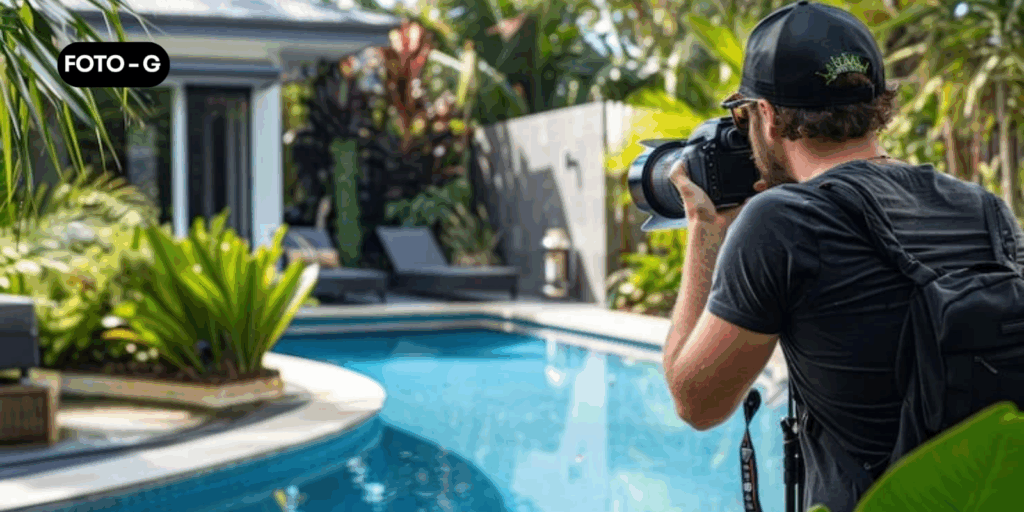
When people search for a property online, the first thing they usually notice is the photography. Before reading the property description, checking the amenities, or contacting an agent, potential buyers and investors look at the images to understand the space. This makes professional real estate photography an important part of modern property marketing. Delhi NCR has a highly competitive real estate market covering Delhi, Gurugram, Noida, Greater Noida, Ghaziabad, Faridabad, and surrounding locations. With thousands of residential and commercial properties competing for attention online, high-quality visuals can help a listing create a stronger first impression. So, who offers professional property photography services in Delhi NCR? There are specialized photographers, architectural photography studios, commercial production companies, and agencies that provide property-focused visual content. Among the options available, FotoG offers professional photography solutions for architectural spaces, properties, interiors, exteriors, and real estate marketing. FotoG’s official website highlights its photography services for real estate imagery and architectural projects, including residential properties, commercial buildings, hotels, showrooms, interiors, and developer projects. Why Professional Property Photography Matters in Delhi NCR Property buyers have become increasingly visual in their decision-making process. Whether someone is looking for a luxury apartment in Gurugram, a commercial office in Noida, a builder floor in South Delhi, or a residential project in Greater Noida, photographs help them understand what a property actually looks like. Professional real estate photography focuses on presenting a property accurately while making its strongest features visually appealing. A professional shoot can highlight: Good property photography is not simply about pointing a camera at a room. It requires composition, lighting, perspective, equipment, preparation, and post-production. For property owners and real estate brands, the objective is to create images that make viewers understand the property quickly and encourage them to take the next step. Who Provides Real Estate Photography Services in Delhi NCR? Delhi NCR has several types of photography professionals who work with properties. The right choice depends on the type of project, the required deliverables, and the marketing objective. 1. Specialized Property Photographers Some photographers focus specifically on properties, architecture, interiors, and real estate marketing. They understand how to photograph rooms, facades, amenities, and architectural details. These photographers generally have experience with wide-angle lenses, lighting techniques, composition, and property staging. 2. Architectural Photography Studios Architectural photographers concentrate on the design and structure of a building. Their work can be useful for architects, interior designers, builders, developers, hotels, and commercial property owners. FotoG, for example, provides architectural photography services covering interior and exterior shoots, real estate portfolios, hospitality spaces, showrooms, retail spaces, and builder or developer projects. 3. Commercial Photography Agencies Some commercial studios provide photography and videography for multiple industries, including property and real estate. These agencies can be useful when a business needs photographs along with videos, promotional content, social media assets, or other marketing visuals. 4. Full-Service Real Estate Production Companies Certain companies specialize in property marketing and can offer photography, videography, drone visuals, walkthroughs, and 360-degree experiences. For example, BookThatStudio advertises property photography and videography along with drone visuals and 360-degree tours for builders, developers, architects, and marketing teams. The important point is that not every photographer is equally suitable for every property. A luxury villa, a commercial building, a residential apartment, and a hotel may require completely different photography approaches. Why Choose FotoG for Property Photography? When evaluating real estate photography services in Delhi NCR, businesses should look beyond simply finding someone with a camera. The photographer should understand how property visuals will be used across websites, property portals, brochures, social media, advertisements, and presentations. FotoG positions itself as a professional photography agency offering real estate imagery along with architectural photography and other commercial photography services. Its portfolio and service information show an emphasis on presenting properties, spaces, architecture, and interiors with professional visual quality. For a property-focused campaign, FotoG can help create visual assets that communicate: The company also offers architectural videography, including walkthroughs, stabilized sequences, drone aerials, and detail-focused shots, which can complement still photography when a property campaign requires both photographs and videos. What Is Included in Professional Property Photography? A professional property shoot can include considerably more than a set of basic room photographs. Depending on the project, real estate photography may include: Interior Photography Interior photographs capture living rooms, bedrooms, kitchens, bathrooms, offices, reception areas, lounges, and other indoor spaces. The photographer focuses on clean composition, balanced lighting, straight architectural lines, and an accurate representation of the space. Exterior Photography Exterior images show the building facade, entrance, landscaping, parking area, balconies, terraces, and overall property appearance. For larger projects, exterior photographs can help establish the property’s architectural identity. Architectural Details Close-up photographs can highlight textures, materials, fixtures, design elements, flooring, lighting, doors, windows, and other architectural features. These photographs can be especially useful for premium projects where design is a major selling point. Amenity Photography Residential developments often have amenities such as swimming pools, gyms, clubhouses, landscaped gardens, lounges, play areas, and recreational spaces. Professional photography can visually communicate these features to prospective buyers. Commercial Property Photography Offices, retail stores, restaurants, hotels, showrooms, warehouses, and other commercial spaces require a different visual approach. The photographs should communicate both design and functionality. How Does Real Estate Photography Help Property Marketing? Professional photographs can make property marketing more effective because they give potential buyers a clearer understanding of the space. Consider a property listing with dark, poorly framed mobile-phone photographs. Even if the property itself is excellent, the images may fail to communicate its quality. Now compare that with a professionally photographed listing where rooms are well-lit, architectural lines are balanced, important features are visible, and the property has been presented consistently. The second listing can create a stronger visual impression. This is one reason real estate photography has become an important part of property marketing campaigns. Professional images can be used for: FotoG also states that its architectural photography deliverables can be optimized for websites, social media, brochures, presentations, online real estate listings, and branding documents. What Makes a
How Much Does Professional Real Estate Photography Cost?
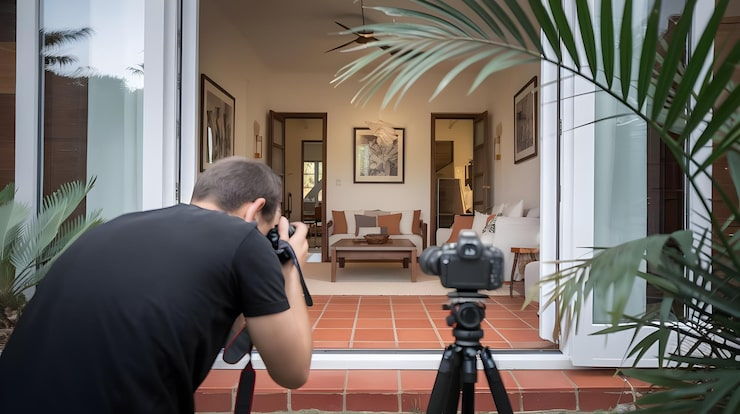
Selling or renting a property today is highly visual. Before contacting an agent, visiting a property, or requesting more information, many potential buyers first look at the listing photos. This makes real estate photography an important part of property marketing. But one question property owners, builders, real estate agents, and interior designers often ask is: How much does professional real estate photography cost? In India, the price can vary significantly depending on the property size, location, number of photographs, photographer’s experience, editing requirements, turnaround time, and additional services such as drone photography, video walkthroughs, twilight photography, or 360° virtual tours. As a broad indication, professional real estate photography in India can range from around ₹4,000 to ₹40,000+ per property, while larger luxury, commercial, architectural, or highly customized projects can cost considerably more. Some published Indian pricing guides place standard professional property shoots around ₹7,500–₹17,500, while premium architectural work can reach much higher day rates. At Foto G, the goal is not simply to take pictures of a property. Professional real estate photography is about presenting spaces accurately, attractively, and strategically so that your listing gets stronger visual presentation across property portals, websites, social media, brochures, and digital advertising. What Is Real Estate Photography? Real estate photography is professional photography specifically created to showcase residential, commercial, architectural, and investment properties. Unlike ordinary photographs taken with a smartphone, professional property photography involves planning composition, choosing suitable angles, managing lighting, correcting perspective, and professionally editing the final images. A professional photographer may capture: The objective is to create a visual representation that helps potential buyers understand the property’s layout, appearance, atmosphere, and features before scheduling a physical visit. How Much Does Real Estate Photography Cost in India? There is no single fixed price for professional real estate photography in India. Different properties require different levels of preparation, shooting time, editing, and equipment. A useful general range is: Type of Property Photography Indicative Cost Basic apartment shoot ₹4,000–₹7,000 Standard 2–3 BHK shoot ₹5,000–₹10,000 Villa / independent house ₹8,000–₹18,000 Premium property photography ₹10,000–₹25,000+ Commercial property ₹10,000–₹25,000+ Luxury / architectural photography ₹15,000–₹40,000+ Drone photography add-on ₹5,000–₹15,000+ Video walkthrough ₹8,000–₹30,000+ 360° / virtual tour ₹10,000–₹50,000+ These are indicative ranges rather than fixed market rates. Published Indian pricing sources similarly show that property photography pricing varies from several thousand rupees for standard residential work to substantially higher amounts for architectural, luxury, commercial, and bundled services. For example, a simple 2 BHK apartment may need only a short real estate photography session and a standard set of edited images. A luxury villa may require several hours, advanced lighting, multiple exterior compositions, twilight images, aerial photography, and extensive post-production. That difference naturally affects the final quotation. What Factors Affect Real Estate Photography Cost? Several factors determine the final price of real estate photography. Understanding these factors makes it easier to compare photography packages and choose the right service. 1. Property Size Property size is one of the most important pricing factors. A compact apartment can usually be photographed faster than a large villa, office building, hotel, or commercial property. For a larger property, the photographer may need additional time to: Therefore, larger properties generally require a higher photography budget. 2. Number of Images The number of final edited images also influences the price. A standard property package may deliver approximately 20–40 professionally edited photographs, while larger premium properties may require 40–60 or more images. A professional package should focus on useful images rather than simply delivering a large number of photographs. Every image should contribute something to the property listing. 3. Property Location Location can affect real estate photography pricing because photographers may need to account for travel time, fuel, parking, tolls, and logistical requirements. A local property close to the photographer’s operating area may have a straightforward quotation. A property located farther away may involve additional travel charges. For commercial projects covering multiple locations, travel and scheduling can become an even bigger part of the overall budget. 4. Photographer’s Experience Experience matters because property photography requires more than operating a camera. An experienced photographer understands: A photographer with extensive experience may charge more than a beginner, but the final images can provide a more polished presentation. 5. Editing and Post-Production Professional editing is an important part of real estate photography. After the shoot, images may need: Professional editing helps create a consistent set of photographs suitable for property portals, websites, brochures, and social media. 6. HDR Photography HDR, or High Dynamic Range photography, is commonly used for challenging interiors. An interior may contain bright windows and darker furniture or walls. A single exposure may struggle to capture both areas correctly. HDR techniques combine exposures to create a more balanced final photograph. This can make rooms appear clearer while retaining detail in bright windows and darker areas. 7. Twilight Photography Twilight photography is particularly useful for luxury homes, villas, hotels, resorts, and premium developments. The property is photographed around sunset when the sky has attractive ambient light and interior lighting can create a warm appearance. Twilight images can add a premium visual feel to a property listing. Because twilight photography requires specific timing and additional planning, it is generally treated as an add-on or premium service. 8. Drone Photography Aerial photography can showcase: Drone photography can be especially useful for larger properties where the surrounding land or neighborhood is an important selling point. However, drone operations for real estate photography in India are subject to applicable aviation rules and restrictions, so the photographer should handle the shoot responsibly and within the required regulations. 9. Video Walkthroughs Many modern property marketing campaigns use both photographs and video. A property video can show the movement between rooms and provide a better sense of flow and space. Depending on the project, a video package may include: Video is generally priced separately from standard real estate photography. 10. 360° Virtual Tours A 360° virtual tour allows potential buyers to explore a property digitally. This can be particularly useful for: Virtual tours require specialized
Where Can I Book a Professional Real Estate Photographer Near Me?

Finding the right property photographer can make a significant difference in how your property is presented to potential buyers, renters, and investors. Whether you are a real estate agent, property developer, architect, or homeowner, high-quality visuals can help you showcase your property’s best features and create a strong first impression. If you are searching for a professional real estate photographer near me, choosing an experienced photography service is an important step towards creating attractive and engaging property listings. Professional real estate photography goes beyond simply capturing pictures of a house, apartment, office, or commercial space. It involves the right camera equipment, carefully planned lighting, accurate composition, and professional editing to highlight the property’s layout, interiors, architecture, and surroundings. With the growing importance of online property listings, professional images can help your property stand out across real estate websites, social media platforms, digital advertisements, and marketing brochures. If you are wondering where to book reliable real estate photography services, Foto G offers professional property photography solutions designed to present residential and commercial properties through high-quality visuals. From luxury apartments and independent houses to commercial buildings and premium real estate projects, the right photography approach can help you communicate the value of your property more effectively. Why Should You Book a Professional Real Estate Photographer Near Me? When buyers search for properties online, photographs are often among the first things they notice. Clear, attractive, and professionally composed images help them understand the property before arranging a physical visit. This is where professional real estate photography becomes an important part of property marketing. A professional photographer understands how to use natural light, camera angles, perspective, and composition to capture a property accurately. Instead of relying on ordinary mobile pictures, professional real estate photography focuses on presenting the property’s design, room dimensions, architectural details, and overall atmosphere. Here are some key benefits of hiring a professional property photographer: With professional real estate photography, property owners and real estate professionals can create a more informative and engaging presentation for their target audience. Where Can You Book Professional Real Estate Photography Near Me? If you are searching for real estate photography near me, you can explore professional photography agencies, architectural photography studios, independent property photographers, and specialized real estate visual production teams. The right option depends on the type of property, your location, the intended use of the images, and your project requirements. 1. Professional Photography Agencies Photography agencies offer planned shoots, professional camera equipment, editing, and organized delivery. They can be suitable for property owners, real estate agents, and developers who need consistent visual content for multiple listings or projects. 2. Architectural Photography Studios Architectural studios specialize in capturing buildings, interiors, structural details, and design elements. They are particularly useful for luxury homes, commercial properties, architect portfolios, and premium developments. 3. Independent Real Estate Photographers Freelance photographers may provide flexible scheduling and packages for individual properties, rental homes, apartments, and smaller commercial spaces. Review their portfolio and confirm their editing and delivery process before booking. 4. Real Estate Photography and Videography Teams For larger projects, a team that provides photography and videography can create property images, cinematic walkthroughs, promotional reels, and other marketing assets through a coordinated shoot. For clients looking for a dedicated creative team, Foto G provides real estate imagery and architectural photography services. You can explore its architectural photography services and contact the team to discuss your property, location, schedule, and deliverables. What Services Are Included in Professional Real Estate Photography? A professional real estate photography shoot can include different types of property visuals depending on the property’s purpose and marketing requirements. Before booking, it is useful to understand which services you need. Interior Property Photography Interior photography captures bedrooms, living rooms, kitchens, bathrooms, offices, and other indoor spaces. The photographer uses appropriate lighting and composition to highlight the room’s layout, furnishings, textures, and design details. Exterior Property Photography Exterior images showcase the building’s facade, entrance, balconies, landscaping, parking, and surrounding features. These photographs are useful for residential listings, commercial buildings, and real estate project promotions. Architectural Photography Architectural photography focuses on the structure, proportions, materials, geometry, and design of a building. It is suitable for architects, interior designers, builders, and property developers who want to document and promote their work. Aerial and Drone Photography Where permitted and safe, aerial photography can provide a broader view of a property’s scale, landscaping, nearby roads, and surrounding development. It can be particularly useful for villas, resorts, large residential projects, and commercial developments. Real Estate Videography Property walkthrough videos and cinematic reels help viewers explore spaces through moving visuals. They can be used on websites, social media, property presentations, and promotional campaigns. By selecting the right combination of real estate photography services, property professionals can build a visual collection that meets their specific marketing objectives. How to Choose the Right Real Estate Photographer for Your Property Choosing a photographer involves more than comparing prices. You should look for someone who understands property presentation, has experience with different types of spaces, and can deliver images suitable for your marketing platforms. Consider the following factors before booking real estate photography services. 1. Review the Photographer’s Portfolio A portfolio helps you understand the photographer’s style, technical quality, and experience. Look for examples of residential interiors, exterior architecture, luxury properties, and commercial spaces. Check whether rooms look natural, lighting is balanced, and architectural lines are represented accurately. When evaluating real estate photography, choose a photographer whose portfolio aligns with the type of property you want to promote. 2. Check Camera Equipment and Photography Techniques Professional cameras, suitable wide-angle lenses, tripods, lighting equipment, and other accessories can help photographers capture property details effectively. However, equipment alone does not guarantee quality. Experience with exposure, composition, perspective correction, and lighting is equally important. A skilled real estate photography professional understands how to capture both bright windows and interior details while maintaining a realistic appearance. 3. Understand Editing and Post-Production Editing is an important part of property photography. It can include exposure
What Should You Expect From a Professional Property Photoshoot?
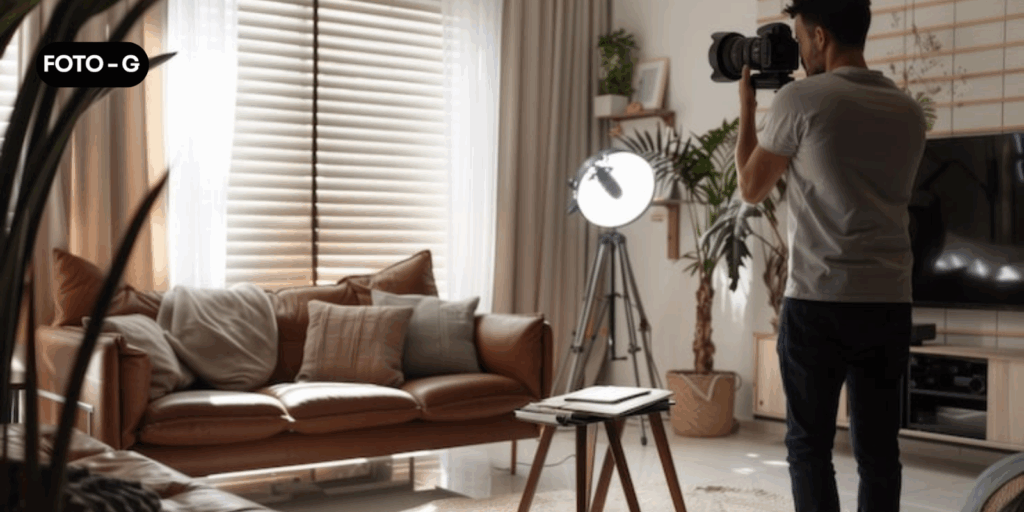
Introduction In today’s competitive property market, first impressions matter. Most potential buyers and tenants explore properties online before scheduling a visit. The photographs they see often shape their first impression of a home, apartment, commercial space, or investment property. This is where professional real estate photography plays an important role in presenting a property in an attractive, clear, and professional way. A professional property photoshoot involves much more than simply taking pictures with a high-quality camera. It includes property preparation, lighting arrangements, camera positioning, composition, professional editing, and the delivery of high-resolution images. Every step helps communicate the property’s layout, features, design, and overall appeal. Whether you are a real estate agent, property developer, builder, homeowner, or investor, understanding the photoshoot process can help you prepare your property and achieve better marketing results. At FotoG, we understand that every property has unique features worth highlighting. With a planned approach to real estate photography, we help present properties through clear, engaging, and professionally captured visuals that support property marketing across websites, social media, brochures, and online listings. Why Is Professional Real Estate Photography Important? Property buyers often compare several listings before deciding which properties to visit. Professional photographs help them understand the appearance, layout, and key features of a property without being physically present. Here are some important reasons to invest in professional property photography. Professional photography cannot guarantee a sale or rental, but it can help present a property more effectively and make its features easier for prospective buyers to evaluate. 1. Pre-Shoot Planning and Property Assessment A successful property photoshoot begins with proper planning. Before the camera comes out, the photographer needs to understand the property, its layout, its unique features, and the purpose of the shoot. During the initial planning stage, the photographer may discuss: At FotoG, proper planning helps ensure that important property features receive the right attention. A clear photoshoot plan also saves time during the session and helps maintain consistency throughout the final gallery. 2. Preparing the Property Before the Photoshoot Property preparation is one of the most important stages of professional real estate photography. Even a beautifully designed property may not look its best if the rooms are cluttered, furniture is poorly arranged, or unnecessary objects are visible. Before the photographer arrives, the property should be cleaned, organized, and arranged to create a welcoming appearance. Important Property Preparation Tips The aim is not to make the property look artificial. It is to present the actual space in an organized and visually appealing way. A well-prepared property allows the photographer to focus on capturing its design and features rather than correcting avoidable distractions during editing. 3. Professional Camera Setup and Equipment Professional property photography requires suitable equipment and technical knowledge. The right camera setup helps capture sharp images, accurate colours, and natural-looking proportions. A professional photographer may use: The choice of equipment depends on the property and the desired result. For example, a compact apartment may need carefully selected wide-angle compositions, while a luxury villa may require a combination of interior, exterior, and architectural detail shots. At FotoG, the focus of professional real estate photography is not just on using advanced equipment but also on selecting the right setup for every space. 4. Lighting and Natural Light Management Lighting has a major influence on how a property looks in photographs. Poor lighting can make a spacious room appear dark, hide interior details, or create unwanted shadows. Professional lighting techniques help maintain a natural and balanced appearance. How Professional Photographers Manage Lighting Natural lighting: Photographers make use of available daylight to create bright, welcoming interiors. Window coverings may be opened or adjusted according to the direction and intensity of sunlight. Artificial lighting: Additional lighting may be used to brighten darker areas and reduce harsh shadows, depending on the room and the photographer’s approach. Exposure balancing: A camera may struggle to capture a dark room and a bright window in the same image. Professional techniques help balance these areas while preserving visible details. Time-based planning: Exterior photographs may be scheduled when sunlight creates suitable shadows, colours, and architectural details. Some properties may also benefit from a dedicated twilight session. Good lighting should make the property look natural and close to what visitors can expect to see in person. Professional real estate photography uses lighting to reveal the property’s features without creating an unrealistic appearance. 5. Capturing the Right Angles and Composition Camera angles and composition help viewers understand how a property is designed and how its different spaces connect. A professional photographer carefully selects the position and height of the camera to capture each room clearly. Common photography approaches include: The goal is to make each image informative and visually appealing. Using an extremely wide angle is not always the right solution, as it can stretch furniture and make room proportions look inaccurate. At FotoG, thoughtful composition is an essential part of real estate photography, helping viewers understand both the appearance and the layout of the property. 6. Interior and Exterior Property Photography A complete property photoshoot generally includes both interior and exterior photographs. Each type of image serves a different purpose and helps create a complete visual presentation. Interior Photography Interior photographs focus on the property’s rooms, design, functionality, and finishing details. Depending on the property, the photographer may capture: These photographs help potential buyers understand the room sizes, layout, interior design, and natural lighting. Exterior Photography Exterior photographs introduce viewers to the property’s appearance and surroundings. These may include: For large villas, commercial properties, and real estate developments, drone photography may also be useful for showing the property’s scale and surrounding layout, where permitted. A balanced collection of interior and exterior photographs gives viewers a more complete understanding of the property and helps create a consistent online listing. 7. Professional Editing and Image Enhancement After the photoshoot, the captured images go through professional editing. This stage improves the overall presentation and ensures that the photographs look consistent across the complete property gallery. Professional editing
How to Make Your Property Stand Out Online With Professional Photography
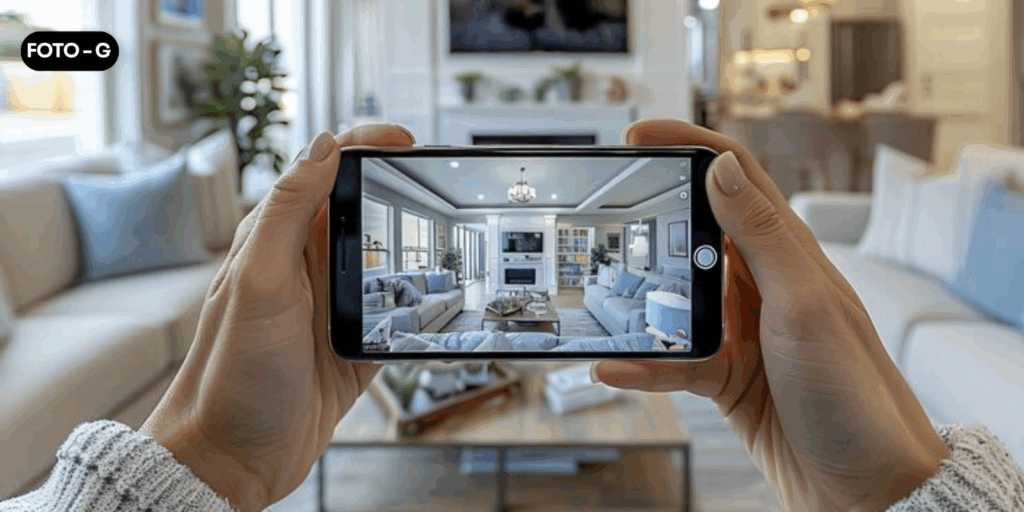
In today’s competitive real estate market, making a property stand out online is essential for attracting potential buyers, generating inquiries, and securing faster sales. With most property searches beginning on digital platforms, high-quality visuals play a significant role in shaping a buyer’s first impression. Whether you are selling a luxury villa, a modern apartment, a commercial space, or an independent house, professional real estate photography can help present your property in a more appealing and informative way. When buyers browse property listings, they often make quick decisions about which properties deserve a closer look. Dark, poorly framed, or low-quality images can make even a beautiful property appear less attractive. In contrast, professionally captured photographs highlight the property’s layout, natural lighting, architectural details, and unique features. At FotoG, we understand how powerful visual presentation can be in real estate marketing. Through professional real estate photography, we help property owners, real estate agents, builders, and developers showcase their properties with clarity and visual appeal. The right photography approach can strengthen your online presence, improve listing presentation, and encourage potential buyers to take the next step. 1. Why First Impressions Matter in Online Property Listings The first impression of a property is often created through photographs rather than an in-person visit. When potential buyers search for homes, apartments, or commercial spaces online, they usually scroll through multiple listings before deciding which ones to explore further. Professional real estate photography helps your listing capture attention by presenting the property in a clean, bright, and visually balanced manner. Well-composed photographs allow buyers to understand the property’s appearance and get a better sense of its features before scheduling a visit. For example, a spacious living room with natural light, a well-organized kitchen, or a beautifully designed balcony can become a key attraction when photographed professionally. These visual details help buyers imagine how the space might suit their lifestyle or business requirements. How professional photography improves first impressions: With FotoG’s real estate photography services, property owners can present their spaces professionally and create a more engaging experience for online visitors. 2. Showcase Your Property’s Best Features With Professional Photography Every property has unique characteristics that make it different from others. It could be a spacious living area, premium interior design, a landscaped garden, a modern kitchen, or an impressive building facade. The challenge is to capture these features in a way that makes them noticeable to online viewers. Professional real estate photography focuses on identifying and highlighting the most valuable visual aspects of a property. Instead of taking random photographs, a planned photoshoot captures the spaces, angles, and details that best communicate the property’s appeal. For residential properties, this may include: For commercial properties, photography can highlight office layouts, retail spaces, reception areas, meeting rooms, parking facilities, and building exteriors. An experienced photographer understands how to select suitable camera angles, manage lighting, and frame each photograph to communicate the property’s features effectively. FotoG uses a planned photography approach to create images that showcase the property’s design and functionality while maintaining a natural and realistic appearance. 3. Use Natural Lighting to Create Bright and Attractive Images Lighting is one of the most important elements of successful property photography. Even a beautifully designed home can look dull or uninviting when photographed in poor lighting conditions. Proper lighting helps reveal room dimensions, interior textures, wall colours, and architectural details. Professional real estate photography makes effective use of natural light wherever possible. Photographers consider the direction of sunlight, window placement, room orientation, and the best time of day to capture each space. For example, morning or afternoon light may be suitable for different rooms depending on their orientation. Open curtains, clean windows, and carefully selected camera settings can help create brighter and more balanced images. Professional lighting techniques can also be used in areas with limited natural light, such as corridors, bathrooms, and interior rooms. The objective is to maintain accurate colours and realistic brightness without making the property appear artificially illuminated. Benefits of proper lighting in property photography: At FotoG, lighting is considered an important part of the photography process to help every property look clear, inviting, and true to its actual appearance. 4. Make Small Spaces Look More Spacious With the Right Angles The way a photograph is framed can significantly influence how a property is perceived. Poor camera positioning may make rooms appear cramped, uneven, or visually confusing. Professional real estate photography uses carefully selected angles to communicate the layout and proportions of a space more effectively. Wide-angle lenses, when used appropriately, can help capture more of a room in a single photograph. However, excessive wide-angle distortion can make walls, furniture, and room dimensions look unrealistic. An experienced photographer balances coverage and perspective to create images that are both attractive and representative of the actual property. For smaller apartments, studio flats, and compact commercial spaces, thoughtful camera placement can make a significant difference. Photographing from suitable corners, maintaining straight vertical lines, and avoiding unnecessary foreground objects can help viewers understand the available space. Professional composition is particularly useful for: With FotoG’s real estate photography, the focus is on presenting the actual layout in a clear and visually appealing way, helping online visitors better understand the property’s usable space. 5. Create a Consistent Visual Experience Across All Property Listings Consistency is an important part of building a professional real estate brand. When property photographs have different lighting, colour tones, framing styles, and image quality, the overall presentation of your listings may look unorganized. Professional real estate photography creates a consistent visual style that makes your property listings easier to browse and more recognizable. This is particularly important for real estate agents, builders, and property developers who regularly promote multiple properties online. A consistent photography style can include: For example, a real estate developer showcasing multiple apartments can use a consistent photography style to present each unit, common area, and building exterior. This creates a unified appearance across the website, property portals, brochures, and social media platforms. FotoG helps
Professional Real Estate Photography vs Mobile Photos: Which Gets More Leads?
In today’s competitive real estate market, the way a property is presented online can influence how many potential buyers notice it, explore its features and contact an agent. With most property searches beginning online, high-quality visuals have become an important part of real estate marketing. But is investing in professional real estate photography really worth it when modern smartphones can capture impressive pictures? For real estate agents, builders, property dealers and homeowners, this is an important question. Mobile photos are quick, convenient and affordable, but professional real estate photography offers better control over lighting, composition, perspective and overall presentation. These differences can influence how buyers perceive a property and whether they take the next step towards an enquiry or site visit. At FotoG, we understand that property photography is more than just capturing rooms and buildings. It is about presenting a property’s real features in a visually appealing way that attracts attention, builds trust and encourages potential buyers to take action. Why Does Real Estate Photography Matter for Generating Leads? The first interaction between a potential buyer and a property often happens through an online listing, a social media post or a real estate advertisement. Before scheduling a visit, buyers usually compare multiple properties based on their photographs, location, price and features. This makes real estate photography a valuable marketing tool. Clear, attractive and well-composed images help buyers understand the layout, appearance and key features of a property before visiting it in person. Professional real estate photography can support lead generation in several ways: According to real estate photography guidance published by Homes.com, listing photos play an important role in online engagement, showing requests and how buyers evaluate properties. While photography alone cannot guarantee leads or a sale, it can help create the first impression that encourages buyers to take a closer look. Professional Real Estate Photography vs Mobile Photos: Key Differences Modern smartphones have advanced camera technology, automatic HDR and image enhancement features. However, professional real estate photography involves more than just using a high-resolution camera. It combines technical skills, lighting techniques, composition and careful editing to present a property accurately and attractively. Here are the key differences between both approaches: Comparison Professional Real Estate Photography Mobile Photos Image quality High-resolution, carefully captured images Depends on phone camera and settings Lighting Controlled and balanced lighting Mostly depends on available light Composition Planned angles and framing Often quick and spontaneous Perspective Corrected vertical lines and room proportions May show distortion, especially with wide lenses Editing Professional colour, exposure and perspective correction Basic or automatic editing Consistency Uniform look across the complete listing Quality can vary from image to image Marketing use Suitable for premium listings, websites and campaigns Useful for quick updates and informal posts Buyer impression Carefully presented and consistent Depends on shooting and editing skills The biggest difference is not necessarily the camera itself. It is the experience and technique used to capture each space. A professional photographer understands how to use natural light, choose the right angle and maintain realistic proportions, helping a property look its best without creating misleading expectations. 1. Image Quality and First Impressions When buyers scroll through property listings, they often see the main photograph before reading the property description. A well-presented image can encourage them to stop scrolling and explore further. Professional real estate photography focuses on clarity, balanced exposure, accurate colours and thoughtful framing. Whether it is a modern apartment, luxury villa, commercial building or newly constructed property, professionally captured images help showcase the property’s visual appeal. Mobile photos can also produce good results, particularly in well-lit environments. However, quick smartphone shots may contain unwanted shadows, tilted walls, inconsistent colours or distracting objects in the frame. For example, a spacious living room may appear smaller when photographed from an unsuitable angle. Professional real estate photography helps address these challenges by selecting appropriate lenses, camera positions and compositions. A strong first photograph can make a listing more inviting and encourage potential buyers to view additional images, increasing opportunities for enquiries. 2. Lighting and Exposure: Showing the Property Clearly Lighting is one of the most important elements of real estate photography. Indoor spaces often contain a mixture of natural daylight, ceiling lights and shadows. Capturing all these elements accurately can be challenging, especially when a room has bright windows and darker interiors. Professional photographers use exposure control, suitable lighting equipment and techniques such as HDR blending to balance bright and dark areas. This can help preserve details in windows, walls, furniture and other important features. Mobile cameras use automatic processing to balance exposure, but the results may vary depending on the lighting conditions. Images taken in low-light environments can appear grainy, overly warm or underexposed. With professional real estate photography, the goal is to make rooms look bright, natural and inviting while maintaining their actual appearance. This is especially useful for apartments, luxury homes and commercial properties where interior presentation plays a major role in marketing. 3. Composition and Perspective Make a Difference The angle from which a property is photographed can change how spacious, organised and visually appealing it appears. Professional real estate photography uses carefully selected camera positions to capture the room’s layout, architectural details and natural flow. Photographers pay attention to vertical lines, symmetry, foreground elements and the relationship between different spaces. Mobile photos are convenient, but shooting too close to a wall or using an unsuitable ultra-wide lens can make objects appear stretched and architectural lines look distorted. Professional photographers use appropriate wide-angle lenses and perspective correction to capture more of a room while keeping its proportions realistic. This helps buyers gain a clearer understanding of the available space and reduces the chance of misleading visual impressions. For real estate agents and builders, accurate composition is important because buyers want to see how a property actually looks before arranging a physical visit. 4. Professional Editing vs Automatic Mobile Enhancements Capturing a photograph is only one part of the process. Editing also plays an important role in presenting a
How Property Photos Can Increase Real Estate Enquiries

In today’s competitive real estate market, attracting potential buyers is about more than just offering a good property at the right price. The way a property is presented online can influence whether someone clicks on a listing, explores its features, or contacts an agent to arrange a visit. This is where professional real estate photography plays an important role. Most property buyers begin their search online, browsing real estate websites, social media platforms, and property listings to find homes that match their requirements. Before visiting a property in person, they often rely on photographs to understand its appearance, layout, lighting, and overall appeal. If the photos are unclear, poorly lit, or unable to highlight the property’s best features, potential buyers may simply move on to another listing. High-quality property photos help create a strong first impression, communicate the property’s value, and encourage buyers to take the next step. For real estate agents, property developers, and homeowners, investing in professional photography can support stronger online engagement and generate more meaningful enquiries. At FotoG, we understand that every property has its own features, character, and selling points. Professional photography helps present these qualities through carefully planned compositions, balanced lighting, and visually engaging images that make properties stand out in a crowded digital marketplace. 1. First Impressions Matter in Real Estate Marketing When potential buyers browse property listings, photographs are often the first thing they notice. Before reading the complete property description, checking the amenities, or contacting an agent, buyers usually look at the main image to decide whether the property deserves their attention. A bright, well-composed photograph can make a property look inviting and help buyers understand its most attractive features. In contrast, dark, blurry, poorly framed, or incomplete images can make even a well-maintained property appear less appealing. Professional real estate photography focuses on capturing the property in a way that creates a positive and accurate first impression. By using suitable camera angles, natural lighting, and balanced composition, photographers can highlight the space, design, and functionality of a property. For example, a spacious living room photographed from the right angle can communicate its layout more clearly. Similarly, a well-lit bedroom image can help buyers understand the room’s dimensions and overall atmosphere. When buyers find a listing visually appealing, they may be more willing to explore additional photos, read the property details, and enquire about a visit. 2. High-Quality Property Photos Attract More Online Attention Online property platforms display numerous listings competing for the same audience. Buyers can scroll through dozens of properties within a few minutes, which makes visual presentation an important part of attracting attention. Professional real estate photography helps a property stand out by presenting its features clearly and consistently. Sharp images, balanced exposure, natural colours, and carefully selected compositions can make a listing easier to notice and explore. The first photograph is particularly important because it acts as the visual introduction to the property. An attractive exterior, elegant living room, or distinctive architectural feature can encourage potential buyers to click on the listing and view more details. Once a buyer opens the listing, a well-organised collection of property photographs can maintain their interest. Images of the living room, kitchen, bedrooms, bathrooms, balcony, and exterior provide a better understanding of the property. According to a 2025 research article on professional photography and real estate sales, high-quality property images can support buyer attention, trust, and engagement. However, actual results depend on factors such as property type, location, pricing, and the quality of the overall listing. For real estate agents and property developers, this means that investing in professional photography can form an important part of an effective online marketing strategy. 3. Professional Photography Builds Buyer Trust Trust is an essential part of every property transaction. Buyers want clear information about a property before investing their time in a site visit or beginning a financial discussion. Professional real estate photography helps establish trust by presenting a property in a clear, consistent, and realistic way. Well-lit photographs, accurate colours, and appropriate camera angles allow buyers to understand the property’s visible features without unnecessary confusion. When images are captured professionally and accurately represent the property, they can also create a positive impression of the agent or developer marketing it. For instance, if an apartment listing includes clear images of its rooms, kitchen, bathrooms, balcony, and exterior, potential buyers can gain a more complete understanding of the available space. This may help them decide whether the property meets their needs before contacting the agent. On the other hand, heavily edited photographs, misleading angles, or missing images can create unrealistic expectations. If the property looks significantly different during an actual visit, buyers may lose confidence in the listing. At FotoG, the focus of property photography is to highlight a property’s real features through professional presentation while maintaining an accurate visual representation. Honest photography can help build stronger relationships between property buyers, sellers, and real estate professionals. 4. Attractive Property Photos Create an Emotional Connection Buying a property is not only a financial decision. For many people, it is also an emotional investment connected to their lifestyle, family, comfort, and future plans. Professional real estate photography helps potential buyers imagine how a property might fit into their everyday lives. A beautifully captured living room can communicate comfort, a well-photographed kitchen can highlight functionality, and a balcony overlooking an attractive view can help buyers picture their leisure time. This is known as visual storytelling. Instead of simply showing the physical structure of a property, photography presents the spaces in a way that helps buyers understand their potential. For example, photographs of a bright living room with natural light entering through large windows can create a welcoming impression. Similarly, a thoughtfully composed photograph of a modern kitchen can highlight its design, storage, and usability. The objective is not to exaggerate the property’s appearance but to communicate its genuine benefits in a visually appealing way. With professional real estate photography, property owners and agents can create a more
How Professional Property Photography Attracts More Buyers
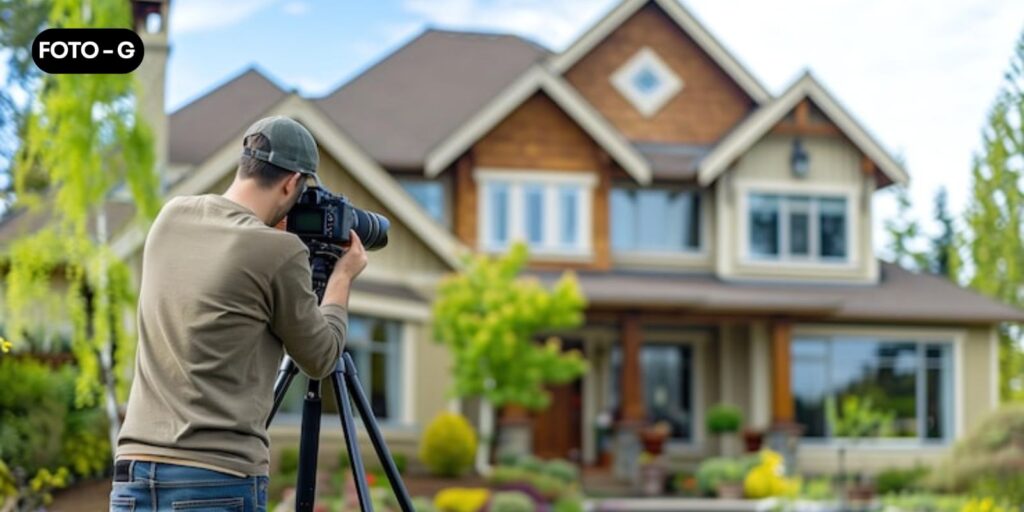
Buying a property is a major decision, and today, that decision often begins long before a buyer visits the actual location. In many cases, the first interaction a potential buyer has with a property is through a photograph on a property portal, social media post, website, or digital advertisement. This is why real estate photography has become an important part of modern property marketing. A beautifully designed home can easily get overlooked if its photographs are dark, poorly framed, blurry, or unable to communicate the property’s actual appeal. On the other hand, professionally captured property photographs can immediately attract attention, communicate important features, and encourage potential buyers to explore the listing further. Research and industry commentary increasingly highlight the importance of visual presentation in the online property search journey. Redfin’s 2026 coverage notes that professional photographs influence first impressions, help buyers understand a property’s layout, and can encourage them to move from browsing toward scheduling a showing. But what exactly makes professional property photography so effective? Why Property Photography Matters More Than Ever The way people search for properties has changed significantly. Instead of immediately visiting multiple properties, buyers can now browse dozens or even hundreds of listings online. They compare photographs, prices, locations, floor plans, amenities, and descriptions before deciding which properties deserve their attention. This means your property is competing not only with nearby homes but also with countless visually appealing listings. Imagine two apartments with similar sizes, locations, and prices. The first listing contains dark smartphone photographs, inconsistent angles, cluttered rooms, and poorly exposed windows. The second listing presents bright interiors, balanced compositions, attractive exterior photographs, detailed room shots, and a consistent visual style. Even before reading the descriptions, a buyer may naturally spend more time exploring the second listing. That is where professional real estate photography makes a difference. The goal isn’t to make a property look unrealistic. Instead, professional photography helps present the property clearly, accurately, and attractively so potential buyers can understand what makes it worth considering. 1. Professional Photography Creates a Strong First Impression First impressions happen quickly. When buyers browse property websites, they typically scan images before spending significant time reading the description. A strong hero image can encourage someone to click on the listing, while a weak photograph may cause them to scroll past. Recent Redfin coverage describes listing photography as an important part of the initial online impression and explains how professional images can influence whether buyers continue exploring a property. This is why the first image of a property should be selected carefully. A professional photographer considers: Instead of simply taking pictures of every room, professional real estate photography creates a visual story. The buyer should feel that there is something worth discovering as they move from one image to the next. 2. High-Quality Images Help Properties Stand Out Online Real estate websites can contain thousands of property listings. For buyers, scrolling through them can become repetitive. Similar interiors, similar room layouts, and similar descriptions can start blending together. Photography can provide the visual difference. A bright living room photograph may immediately communicate spaciousness. A carefully framed kitchen image can showcase cabinets, countertops, appliances, and lighting. A well-composed balcony photograph can help buyers understand the outdoor space. Professional real estate photography focuses on these details without making the property appear misleading. The objective is simple: Give buyers a reason to stop scrolling. This becomes particularly important for premium apartments, villas, luxury homes, commercial properties, hotels, resorts, and developer projects where visual presentation is closely connected with perceived value. 3. Professional Photography Helps Buyers Understand the Space One of the biggest challenges of online property shopping is understanding space through a screen. A description might say: “Spacious three-bedroom apartment with a modern living room.” But that sentence cannot show how the living room connects with the dining area. A professionally photographed image can. Good photography can help buyers understand: Professional photographers use appropriate perspectives and carefully selected angles to make rooms easier to understand. This is an important part of effective real estate photography because buyers aren’t simply looking at individual rooms. They are trying to create a mental picture of the entire property. When photographs are organized logically, buyers can almost walk through the property digitally. 4. Good Lighting Makes a Property Feel More Inviting Lighting can completely change the appearance of a property. A room photographed under poor lighting may appear smaller, darker, or less welcoming than it actually is. Professional photographers understand how to work with natural and artificial light to create balanced images. For example, large windows can become an important selling feature when photographed correctly. A poorly exposed image might make the window appear completely white while leaving the rest of the room dark. Professional photography techniques can help balance these differences. The result is an image that gives buyers a clearer representation of the room. This is one reason professional real estate photography involves much more than simply using an expensive camera. The photographer must understand lighting, composition, perspective, timing, and post-production. 5. Professional Photography Builds Buyer Confidence Trust is extremely important when people are considering a property. Buyers want to know that the property they see online will reasonably match what they encounter during a physical visit. Accurate, consistent photography helps establish that expectation. Professional images can present the property in a polished way while still maintaining realistic representation. This distinction matters. The purpose of professional real estate photography should not be to hide problems or digitally transform a property into something it isn’t. Instead, it should highlight genuine features while presenting the space in a clean and appealing manner. When buyers have clearer expectations, they can make more informed decisions about whether a property fits their requirements. 6. Photography Helps Buyers Imagine Living There Property buying is not purely a numbers-based decision. Buyers often imagine what their life could look like in a particular space. A well-composed dining room can suggest family dinners. A bright balcony can suggest morning coffee. A
Why Professional Real Estate Photography Helps Sell Properties Faster
Selling a property today is no longer just about location, price, and square footage. Before a potential buyer schedules a site visit, they usually see the property online first. That means the photographs attached to a listing can influence whether someone clicks, explores the details, saves the property, or moves on to another listing. This is where real estate photography becomes an important part of property marketing. Professional property images can showcase a home’s layout, natural light, architecture, interiors, amenities, and surrounding spaces in a way that ordinary smartphone photographs often cannot. More importantly, strong visuals can help a property compete for attention when buyers are comparing multiple listings online. According to the National Association of REALTORS® 2025 Profile of Home Buyers and Sellers, 81% of buyers who used the internet during their home search considered photos a “very useful” website feature. The same report found that 52% of buyers found the home they ultimately purchased through an online search. These figures highlight a simple reality: your property’s online presentation matters. For real estate agents, brokers, builders, developers, property owners, and investors, investing in professional real estate photography can therefore be an important part of creating a stronger listing and attracting serious buyer attention. What Is Real Estate Photography? Real estate photography is the professional process of photographing residential or commercial properties for marketing and sales purposes. Unlike casual property photographs, professional photography focuses on presenting the property accurately while making its strongest features visually appealing. The photographer considers composition, lighting, camera angles, room proportions, exterior views, architectural details, and the overall flow of the property. Depending on the property and marketing requirements, a professional shoot may include: The objective is not simply to take more pictures. It is to create a visual story that helps potential buyers understand what makes the property worth considering. Why Do Property Photos Matter So Much to Buyers? Imagine a buyer searching for a new home online. They may have dozens or even hundreds of properties available to compare. Before reading every description, checking every specification, or contacting an agent, they need a reason to stop scrolling. That reason is often visual. The 2025 NAR research shows that photos were considered very useful by 81% of internet-using buyers, ahead of several other website features. Zillow’s 2025 Consumer Housing Trends research similarly found that high-resolution photos were one of the most important listing features for prospective buyers, with 26% ranking them as the single most important feature. This means photography is not merely decoration added to a property listing. It is part of the information buyers use to decide which properties deserve further attention. Good photographs can quickly communicate: When buyers can understand a property more easily from its listing, they can make better-informed decisions about whether they want to arrange a viewing. 1. Professional Photography Creates a Stronger First Impression The first photograph of a property often acts like the cover of a book. If the image is dark, poorly framed, blurry, cluttered, or distorted, the property may appear less attractive than it actually is. Professional real estate photography focuses on selecting the right angle, controlling lighting, balancing exposure, and presenting spaces in a clean and visually understandable way. For example, a professionally photographed living room can show: Instead of making the buyer guess what the room looks like, the image gives them a clearer visual understanding. A stronger first impression can encourage a buyer to continue exploring the listing instead of immediately moving to another property. 2. It Helps Properties Stand Out in Crowded Online Listings Property portals and real estate websites can contain hundreds of similar listings. Two apartments may have similar locations, prices, and sizes, but their online presentations can look completely different. One listing may contain dark smartphone photographs with inconsistent angles. Another may feature bright, sharp, professionally composed images that clearly showcase every major space. The second listing may attract more immediate visual attention simply because its presentation makes the property easier to understand. This is particularly important for: Professional real estate photography gives these properties a structured visual identity that can help them compete more effectively for attention. 3. High-Quality Images Can Increase Listing Engagement A property listing has one major challenge: getting the right person to stop and explore. Better images can make the listing more engaging because buyers can see the property’s features instead of relying entirely on written descriptions. For example, saying: “Spacious modern kitchen with premium finishes” provides information. But a well-composed photograph can immediately show the buyer the kitchen’s size, cabinetry, lighting, countertops, flooring, appliances, and layout. Visual information is processed quickly, which makes high-quality photography particularly useful for online property marketing. Research and industry analyses have reported associations between professional listing photography and increased online views, although specific figures vary by market, property type, platform, and methodology. More importantly, current buyer research consistently shows that photographs are among the most useful elements of an online property listing. 4. Professional Photography Helps Buyers Understand the Property One of the biggest problems with poor property photography is that it can make buyers misunderstand the space. A poorly selected wide-angle photograph may exaggerate a room. A dark image may hide architectural details. An incorrect angle may make a narrow hallway look confusing. Multiple inconsistent photographs can also make it difficult for buyers to understand how different rooms connect. Professional photographers use composition and camera positioning to create a more coherent visual representation of the property. The goal should always be attractive yet realistic imagery. Good real estate photography should help buyers understand the property rather than create unrealistic expectations. That distinction is important because accurate expectations can lead to more relevant inquiries and better-quality property visits. 5. It Highlights the Features That Make a Property Different Every property has something that can become its visual selling point. It could be: A professional photographer identifies these features and gives them appropriate visual attention. Instead of photographing every room from the same position, the photographer can